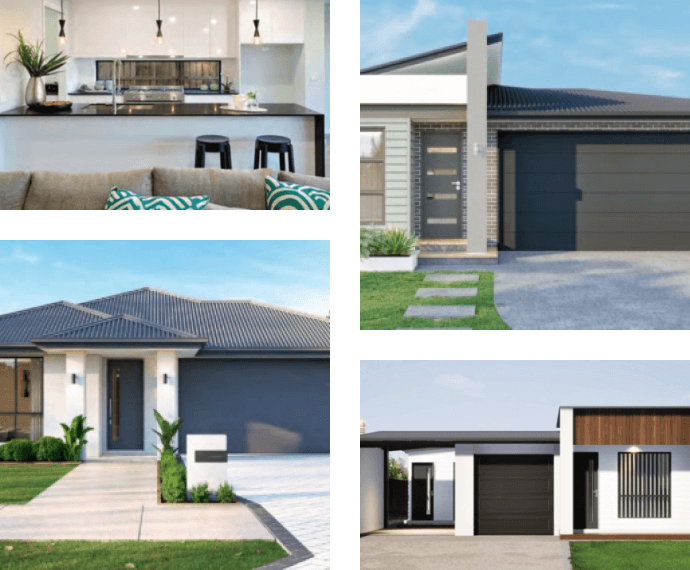
The Best-Yielding Residential Investments in Australia Up To $2,100 Per Week Income

Rental Income Guarantee Available
3 Bedroom 3 Tenants Shared Living
5 Bedroom Co-Living
6 Bedroom Co-Living

Co-Living and Shared Living Investment Properties

Introducing our enhanced shared living and co-living investment properties, tailored to meet Australia’s evolving housing demands. These purpose-built models feature increased space and optimised layouts, addressing a growing need in the market.

Pioneering a world-first design, investors can now tap into designer co-living housing. These properties offer the potential for exceptional rental yields and capital growth, while also helping to improve rental affordability and reduce social isolation across Australia.

Positive Income Properties can help investors achieve this by providing a complete service package, including:

  • Sourcing custom-built communal living properties
  • Assisting with finance
  • Providing a concierge service to tenants
  • Offering a rental guarantee

Contact Positive Income Properties today to find out more.

Co-Living Australia: House Designs

At Positive Income Properties, our team focuses on providing a spectacular outcome by carefully sourcing products to fit within your lifestyle and budget. We deliver properties that combine intelligent design with the best quality finishes, ensuring a high-quality investment that is built to last.

Standard Floorplan

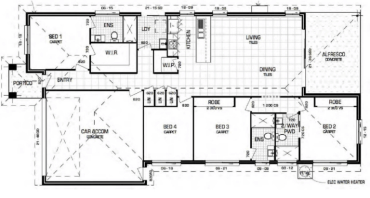
Co-Living & Shared Living Investment Properties - Standard Floorplan
3 Bedroom | 3 Tenant Shared Living
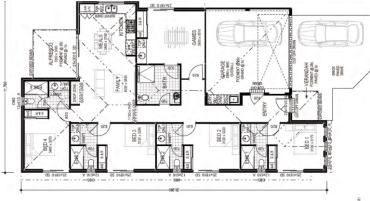
Co-Living & Shared Living Investment Properties - Standard Floorplan 2
5 Bedroom | 5 Tenant Coliving
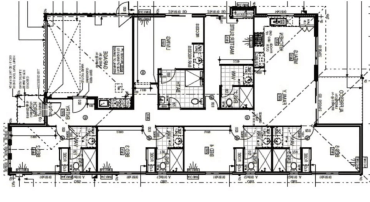
Co-Living & Shared Living Investment Properties - Standard Floorplan 3
6 Bedroom | 6 Tenant Coliving
co-living image 7

What Is Co-Living and Shared Housing?

Communal living has become an increasingly popular housing solution, particularly for those in inner-city locations. Shared living arrangements offer many benefits, from housing affordability to financial savings and optimised social connections.

But what is co-living, and how can you make the most of it?

Communal living and shared housing are modern concepts that emphasise collective living arrangements. Individuals or small groups live together in a shared space, typically a large house or apartment complex, where they have their own private bedrooms but share common areas. This setup encourages social interaction, collaboration and a sense of community among residents.

Shared housing is often seen as a more affordable option than renting an entire property. By sharing access to communal areas, such as kitchens and living rooms, tenants can significantly reduce their individual housing costs.

Both communal living and shared housing cater to diverse demographics, including young professionals, students and retirees. They offer affordability, convenience and opportunities for networking and forming meaningful connections.

Unfortunately, when it comes to co-living Australia is slightly behind the times. These communal housing models have already proven to be popular alternatives to traditional forms of housing in many other countries. They’ve provided a workable solution to urban housing challenges and helped many foster a sense of belonging in an increasingly interconnected society.

What’s the Difference Between Co-Living and Shared Housing?

Co-living and shared housing represent two distinct approaches to communal housing. The main point of difference is in the level of privacy and the amenities they offer to residents.

Co-Living Properties

In co-living arrangements, properties typically offer individual master suites equipped with mini kitchens and ensuite bathrooms, ensuring residents have a high degree of privacy and autonomy within their living space while still sharing common areas for socialising and collaboration.

This model appeals to those seeking a balance between personal space and community engagement, often attracting young professionals or individuals looking for a more upscale communal living experience.

Shared Living Properties

Shared living properties provide private bedrooms to residents but typically feature shared or common bathrooms, kitchens, dining and living areas. This model prioritises affordability and resource-sharing, allowing residents to split the costs and responsibilities associated with maintaining the shared spaces.

Shared living arrangements are often favoured by students, young professionals on a budget or those seeking a more casual and communal living experience without the added amenities and privacy offered by co-living setups.

Ultimately, both co-living and shared living options cater to individuals seeking community living environments, but they differ in their approach to balancing privacy, amenities and affordability.

What Are the Benefits of Investing in Co-Living Housing?

Investing in communal living and shared housing properties in Australia can offer several benefits, including the ability to:

These housing models cater to the growing demand for affordable and flexible housing options, particularly in urban areas where housing affordability is now a big concern. By providing shared amenities and living spaces, investors can maximise rental yields by accommodating multiple tenants in a single property.

Communal housing properties promote social interaction and community engagement, which can be appealing to tenants, especially younger demographics who value networking and opportunities to collaborate with others. This can lead to higher tenant retention rates and positive word-of-mouth referrals, contributing to stable rental income.

These housing models allow investors to diversify their portfolios and mitigate risks by tapping into a niche market with strong growth potential. As the concept of shared living becomes increasingly popular and evolves to meet changing lifestyle preferences, investors will be able to adapt their properties to cater to specific demographics, such as students, young professionals or seniors.
Communal housing properties have the potential to offer higher rental yields compared to traditional rental properties. This is due to their ability to generate multiple streams of rental income from a single property. With careful management and strategic property selection, investors can achieve great returns on their investment while meeting the evolving needs of tenants in the Australian housing market.
co-living image 8

How to Get the Most Out of Co-Living and Shared Living: For Tenants

Are you considering moving into a communal or shared living rental property? If so, here are some things you need to know to make the most of the experience.

Why Should You Invest in Co-Living and Shared Living Properties?

What is the potential rental yield when investing in communal living properties? A range of factors will influence rental yield on these types of investments, including:

  • Location
  • Property condition
  • Amenities offered
  • Rental rates
  • Occupancy rates
  • Operational expenses (like maintenance and management fees)

A desirable location that’s close to amenities and transportation hubs can attract more tenants and command higher rental rates, ultimately boosting rental yield. Providing attractive amenities, such as furnished common areas or including utilities in the price of rent, can also increase tenant satisfaction and retention, contributing to higher rental yields.

Efficient property management and cost-effective maintenance strategies are also crucial for maximising profitability and ensuring a favourable rental yield.

To find out more about potential rental yields, contact the team at Positive Income Properties.

Frequently Asked Questions About Investing in Co-Living Properties

What types of properties are suitable for communal living?

 Ideally, these properties should be configured with multiple bedrooms and generous, well-designed communal spaces to balance resident privacy with social interaction. While many existing residential layouts can be adapted, a property custom-designed as a Class 1B rooming house is often the superior solution for maximizing both space efficiency and regulatory compliance. Key location factors include high “walkability” scores and proximity to major public transport interchanges and essential local amenities to ensure consistent tenant demand.

How do I ensure a good return on investment with this type of rental property?

Achieving a premium rental yield begins with extensive “homework” regarding your specific target demographic—whether they are young professionals, students, or essential workers. Investors must analyze local market factors, including the necessity of specific amenities and high-end property features, before committing to a site. To streamline this process and ensure maximum yield, it is highly recommended to consult with a professional who specializes in sourcing properties specifically engineered for the Australian co-living market.

What are the potential challenges of investing in shared living properties?

Investors should be prepared for unique operational hurdles, such as potentially higher turnover rates and the logistical complexity of managing multiple individual tenancies within a single title. Maintaining a “harmonious living environment” is the most critical factor for long-term stability and vacancy reduction. Engaging a specialized, experienced property manager is the most effective way to minimize these risks and professionally navigate any interpersonal or maintenance challenges that arise.

Compliance is the cornerstone of a secure communal investment in Australia. You must start by consulting with legal and property professionals who are experts in local tenancy laws and specific state-based rooming house regulations. Taking this proactive approach ensures that your property meets all safety and licensing standards, which significantly mitigates potential legal risks and protects your asset’s reputation.

Are there financing options available for shared living investments?

Yes, a variety of flexible financing paths exist for these specialized assets, ranging from traditional residential mortgages to commercial loans and specialized investment products. Professional investment teams can often assist you in navigating these options and obtaining loan pre-approval specifically tailored for the purchase of a high-yield communal investment property.

 How long does construction take?

The physical “actual build time” is estimated at approximately 26 weeks. However, when accounting for the total project lifecycle—from the initial signing of the build contract through pre-construction phases, council permits, and final certification—the total timeframe is typically 8–9 months.

 Will the construction timeframe be included in the contract?

Yes, the specific construction timeframe will be clearly outlined within the building contract. In accordance with standard Australian building practices, these contracts also include reasonable allowances for inclement weather and other unforeseen delays to ensure full transparency between the builder and the owner.

Are there penalties if construction is delayed?

Yes. The standard HIA (Housing Industry Association) building contract used for these builds includes a formal delay penalty clause. If construction exceeds the agreed-upon timeframe without a valid, contractually allowed extension, the builder may be liable for penalties to compensate the owner.

What warranty covers the building?

New constructions are protected by comprehensive build warranties that can range up to 7 years in length. This provides the investor with long-term peace of mind regarding the structural integrity and quality of the asset.

What outgoings are included in the lease arrangement?

To provide a simplified, “hands-off” investment experience, all standard operating costs are deducted from the lease income. These outgoings typically include electricity, water, council rates, insurance, and professional property management fees. High-speed internet is also provided to tenants as a standard amenity, budgeted at $70 per month.

 Is there protection against excessive utility usage?

Yes. Utility usage is actively and transparently monitored by the property manager. Any excessive or abnormal consumption by residents is addressed on a case-by-case basis, ensuring that costs remain controlled and the owner’s net return is protected from waste.

How are the construction costs ("The Build") allocated?

The build price is a fixed, turnkey cost, meaning the quote encompasses the complete construction and fit-out of the property. The home is delivered “fully finished” and ready for immediate operation, with no hidden costs or additional payments required after the contract is signed.

What is available in the Complete Furniture and Appliances package?

The complete furniture and appliances package includes everything required to begin tenancies immediately.

·         A complete furniture and appliance package.

·         Solar system installation to meet modern energy rating requirements.

·         Split-system heating and cooling for climate control.

·         Full landscaping and all necessary external works.

·         Total compliance with Class 1B rooming house regulations.

Invest in Co-Living Housing with Positive Income Properties

Communal housing arrangements can be a great way for tenants to make the most of their living space while also saving money. They offer many benefits, from financial savings to social connections.

If you’re looking for an affordable option to rent, or you’d like to take advantage of having more living space, why not consider shared living? It can be a great way to save money, make new friends and even help to protect the environment thanks to reduced resource consumption. By understanding the unique advantages offered by communal properties, you can ensure you make the most of your shared living experience.

If you are an investor looking to support a growing housing movement that offers high rental yields, then a shared living property could be the ideal choice. To find out more about investing in co-living properties, contact the team at Positive Income Properties today.

Find Out More About The Coliving Investment Properties
Register For Stock List

Compare listings

Compare