

The regional Queensland property market is into another year of strong growth. Recent data suggests the run is not over.
According to analyst Cotality, Toowoomba dwelling values rose 21.6% over the past year. Meanwhile, North Queensland centres like Cairns and Townsville have extended their own multi-year climb.
Still, growth alone does not make an investment. At Positive Income Properties, we look for markets that pair price growth with strong EST. yields and a fair entry price. That mix is what supports a sustainable portfolio.
This guide covers three things. First, where the regional Queensland property market is still climbing. Second, why supply remains tight. Third, what investors are buying right now.
Why Is the Regional Queensland Property Market Surging?
Currently, several forces are pushing values higher across the regional Queensland property market. In short, these are structural drivers built on supply, affordability and yield.
First, supply is tight. According to Australian Property Investor Magazine, Toowoomba agents report listings remain very tight, with both owner-occupiers and investors circling the few that come up. As a result, some southern investors are now buying sight unseen.
Second, affordability still favours the regions. Therefore, buyers priced out of Brisbane and the southern capitals keep looking north and west.
Third, EST. yields are strong. So investors who need cashflow rather than capital growth alone are looking to regional markets.
Finally, infrastructure plans underpin medium-term demand. For example, Rockhampton secured the rowing event for the Brisbane 2032 Olympics, and a new heavy-vehicle ring road is under way.
Overall, this mix of tight supply, fair entry prices, strong EST. yields and infrastructure has built the base for steady price growth.
Where Is the Strongest Growth in Regional Queensland?
Indeed, Cotality’s data points to a handful of standout markets. Toowoomba leads with 21.6% annual growth. Its median dwelling value sits at $842,467.
Further north, Charters Towers, Ayr and Ingham (outside Townsville) recorded 17.6% annual growth. Their median dwelling value is $380,762.
Similarly, the Central Highlands in Central Queensland posted 18.6% growth, on a median of $363,727.
Importantly, these are working regional cities and towns. They have population growth, infrastructure plans and clear rental demand. As a result, the growth here is built on real fundamentals rather than speculation.
Why Is Toowoomba in Such High Demand?
Toowoomba sits about 150km west of Brisbane. Roughly 186,000 people call it home. It has its own university, a major hospital network and a regional airport.
Today, buyer agents account for a big share of demand. Local agents say inquiries arrive daily, with pre-approved clients moving region to region to fit their budgets.
Within Toowoomba, East Toowoomba is the most sought-after pocket. However, Toowoomba has a single postcode. By contrast, some Brisbane postcodes cover as few as 5,000 people. As a result, postcode-level median figures can be misleading. Read them with care.
Also, demand is self-sustaining. Some owners would like to sell into the strong market. However, they would then have to buy back in. So listings stay tight, and prices keep climbing.
Curious which regional Queensland markets fit your budget and goals? A quick call is the easiest place to start, with no pressure.
Book a quick callHow Are North Queensland Markets Performing?
Likewise, North Queensland keeps performing strongly. Cairns and Townsville have extended a multi-year run. Smaller centres outside Townsville (Charters Towers, Ayr and Ingham) climbed 17.6% over the year.
Locally, agents say fundamentals remain in place. Capricorn Coast agents speaking to Australian Property Investor Magazine describe the wider region as countercyclical to the capitals, with cheaper entry and strong EST. yields. Even so, growth has eased a little in the past few weeks, with capital gains slowing slightly off the recent pace.
Importantly, the medium-term picture is backed by infrastructure. Rockhampton secured the rowing event for the Brisbane 2032 Olympics. A new heavy-vehicle ring road is also under way. As a result, the region is set for more population and tenant inflows.
What Is Happening in Central Queensland?
Likewise, Central Queensland tells a similar story. The Central Highlands recorded 18.6% growth over the year. Meanwhile, Rockhampton and the Capricorn Coast keep drawing both lifestyle buyers and investors from the southern capitals.
In practice, buyers favour newer brick homes that need less upkeep. By contrast, the most prestigious old suburbs are still full of timber Queenslanders. The Range, for example, sits as Rockhampton’s most prestigious pocket: elevated, close to the CBD, the hospital and the grammar schools, and still dominated by timber homes.
So suburb-level mix matters. Buyers who want strong EST. yield and low upkeep tend to look past the heritage stock toward newer estates.
How Does the Regional Queensland Property Market Compare With WA and SA?
Nationally, the regional Queensland property market is performing strongly. According to PropTrack, regional Queensland dwelling values grew 14.1% in the year to 31 March 2026. Only regional Western Australia did better, at 15.9%.
In March alone, regional Queensland and regional South Australia led the country. Each posted 0.6% monthly growth. By contrast, regional Western Australia grew 0.2% in the same month.
PropTrack reports that regional prices climbed 0.4% in March and 11.0% year-on-year. Over the past five years, regional growth has outpaced the capitals (57% vs 39%), with a similar lead over the past 12 months (11.0% vs 8.8%).
Over five years, regional Western Australia leads at 97.1%. South Australia follows at 95.4%. Queensland sits at 86.3%. Overall, the gap between the leaders is narrow.
Want to see how a regional Queensland property would sit in your portfolio on price, EST. yield and growth potential? Book a quick call and we will walk you through the numbers.
Book a quick callWhat Are Investors Looking For in Regional Queensland Property?
Across these markets, the pattern is consistent. Buyers are focused on newer, low-upkeep homes in suburbs with strong rental demand and better infrastructure. They also favour markets where entry prices stay below the southern capitals while EST. yields hold up.
Importantly, this shapes portfolio design. Entry prices in regional Queensland sit well below Sydney and Melbourne. As a result, an investor can often buy more than one property for the same budget. The cashflow profile of a regional Queensland portfolio is then stronger than a single capital-city buy.
Also, new-build stock carries an extra edge under the proposed federal tax changes. See our earlier breakdown of the proposed CGT and negative gearing changes. Those rules would treat new builds more favourably than older stock from 1 July 2027.
Is the Regional Queensland Property Market Still a Good Investment?
Honestly, it depends on the market and the property. Many regional Queensland markets still offer strong EST. yields. Their entry prices also sit below the capitals. However, growth is starting to ease after a long run.
For a long-term investor, the question turns on the fundamentals. These include tight supply, population growth, infrastructure plans and rental demand. Notably, the regional Queensland property market still meets those tests in several pockets.
Ultimately, the choice sits with the investor’s strategy. Therefore, anyone weighing a buy should look at both the macro data and the specific property in front of them.
Frequently Asked Questions About the Regional Queensland Property Market
What is the median dwelling value in Toowoomba right now?
According to Cotality, the median dwelling value in Toowoomba sits at $842,467. That figure is as at April 2026, after a 21.6% rise over the prior 12 months.
Which regional Queensland markets have the highest EST. rental yields?
Typically, the smaller centres outside the major regional cities deliver the strongest EST. yields. For example, Charters Towers, Ayr and Ingham sit at a median around $380,762. As a result, they often post stronger EST. gross yields than Toowoomba or Brisbane. However, yields vary property by property. The figures here are a guide only.
How does the regional Queensland property market compare with Brisbane?
On price growth, regional Queensland has outpaced Brisbane over the past year. Entry prices also sit well below the capital. So southern investors and buyer agents are focused on the regions for cashflow and value. However, Brisbane still offers scale and liquidity. Therefore, the right choice depends on the investor’s strategy.
Will the proposed CGT and negative gearing changes affect regional Queensland investors?
Yes, the proposed changes would apply nationally if they pass. However, new builds are flagged for protection. They would keep full negative gearing and the 50% CGT discount. As a result, investors choosing new-build stock in regional Queensland would be less exposed. By contrast, older stock would carry the heavier tax position. See our full breakdown of the CGT and negative gearing changes for the detail.
Where do I start if I want to invest in the regional Queensland property market?
Typically, the simplest first step is a short chat about your budget, borrowing and goals. From there, Positive Income Properties can match you with property in regions where the fundamentals still stack up. Book a quick call to start.
If you would like to see whether a regional Queensland property suits your budget and goals, a calm 15 minute call is the easiest way to find out.
Book a quick callFeatured Property Of The Week
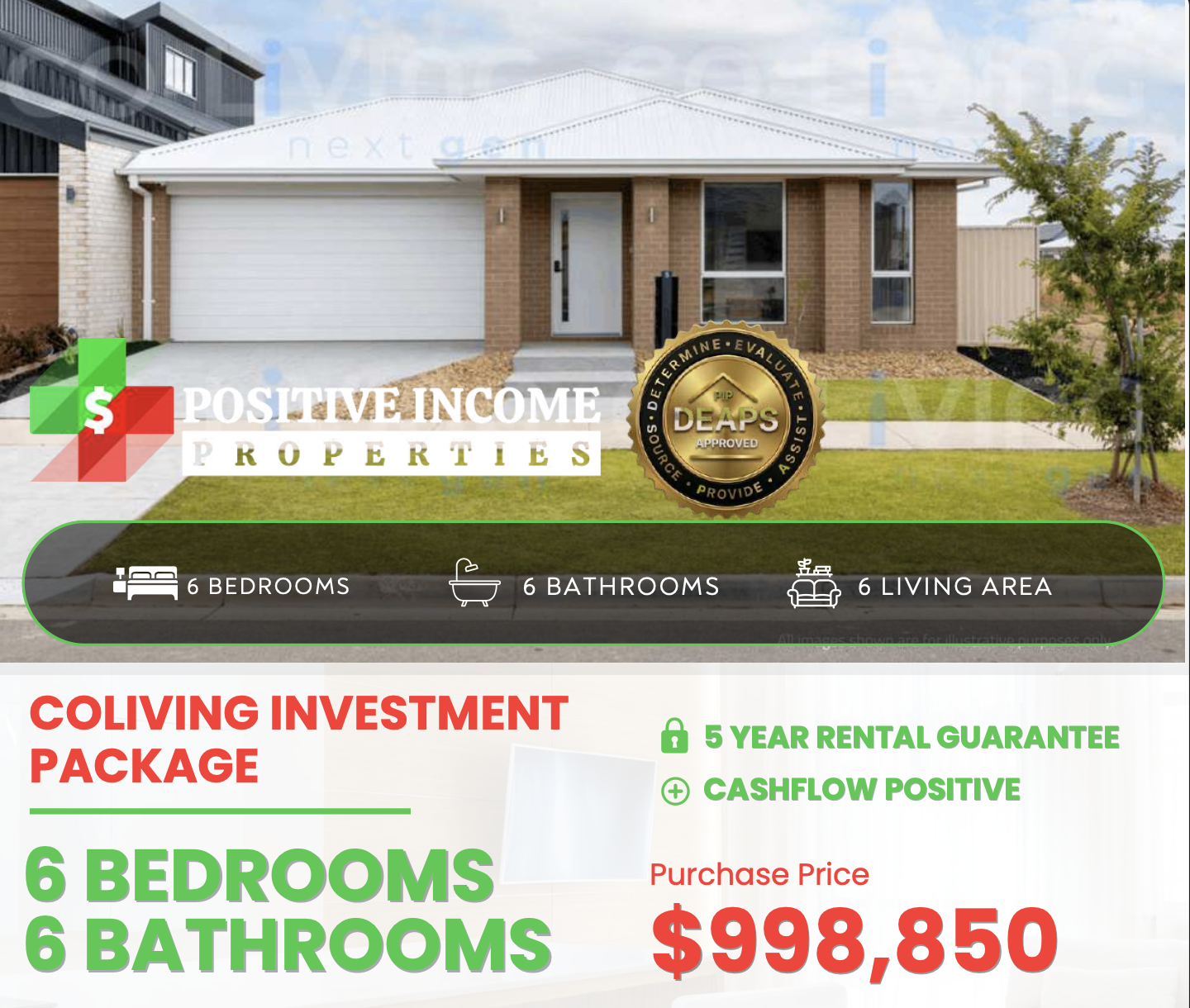
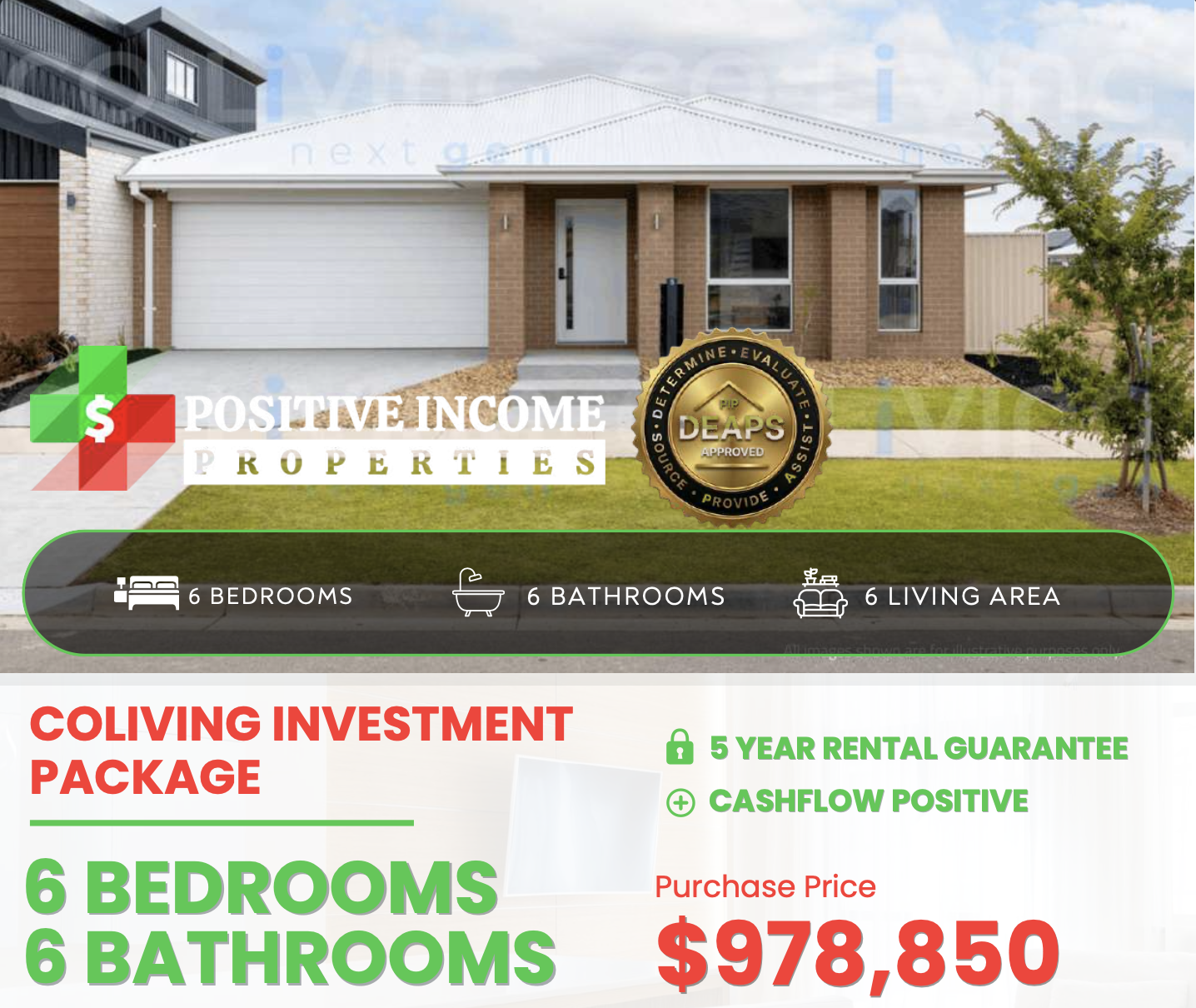
Looking for an investment property? Book a quick call and we will walk you through what is on the buy list right now, matched to your budget and goals.
Book a quick callPositive Income Properties is not a financial adviser. Any regional Queensland property market figures shown here are EST. only and are not guaranteed. Seek independent financial advice before acting.

Gil Elliott is the Managing Director and Founder of Positive Income Properties. Gil has a rich background in business consulting and property investment. All of these he gained in his nearly four decades of experience in the real estate and marketing industries.


